
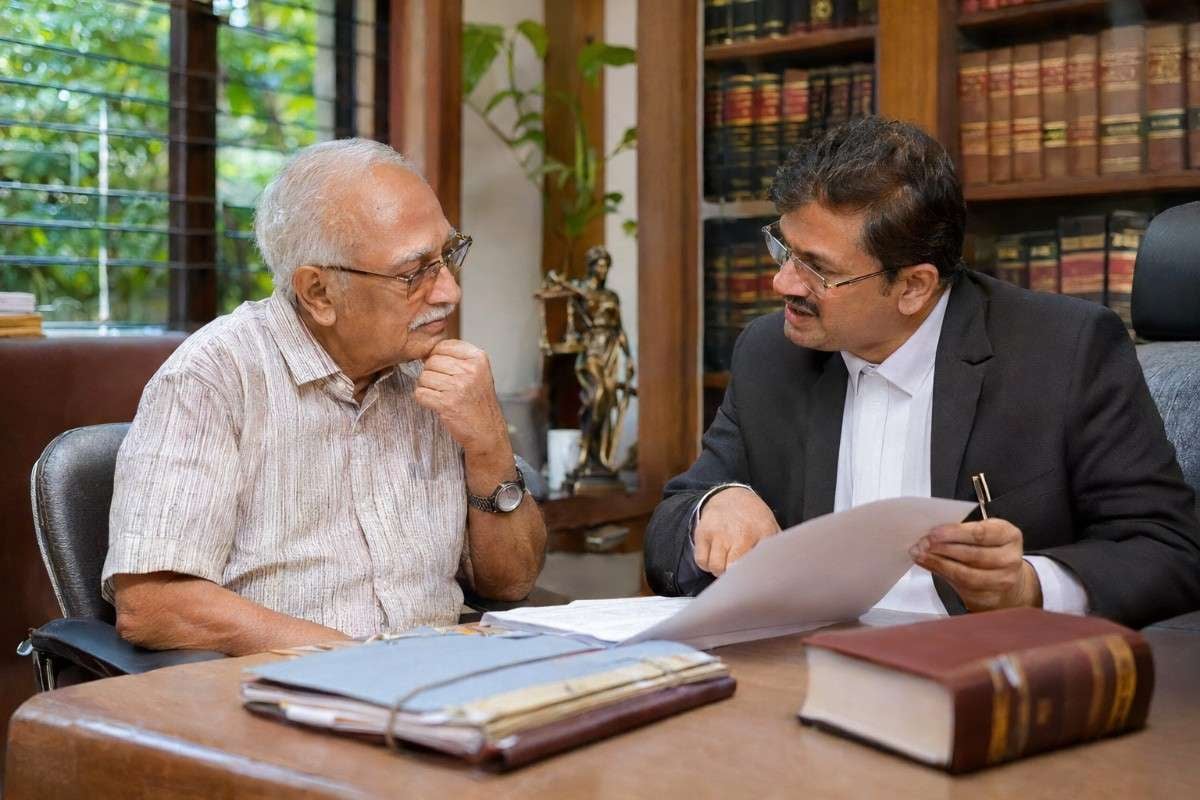
Can a Person with Dementia Write a Valid Will in India? Testamentary Capacity Explained
Dementia is becoming a more common part of growing old in India, and it raises a genuine legal question for many families: if a parent or elderly relative has been diagnosed, can they still make a valid Will, or update one they already have? Some assume a diagnosis settles the matter either way, and neither assumption is correct.
What the law actually asks isn’t whether someone has dementia. It’s whether they understood what they were doing at the moment they signed. AasaanWill often helps families work through exactly this question, and this blog explains what dementia actually involves, what testamentary capacity means under Indian law, what courts look for when a Will is challenged on these grounds, and what families can do to protect a Will made later in life.
Key Highlights
Section 59 of the Indian Succession Act, 1925 asks whether a person is “of sound mind,” not whether they carry a particular diagnosis. A dementia diagnosis alone doesn’t make a Will invalid.
Capacity is assessed at the moment the Will is signed, not based on the testator’s general health or an earlier or later diagnosis.
Courts expect the testator to have understood that they were making a Will, known roughly what they owned, and been able to weigh who would normally expect to inherit.
A person who is otherwise affected by dementia can still make a valid Will during a lucid interval, a period when they are genuinely of sound mind.
If a Will unusually favours one person or leaves out someone who would normally expect to inherit, courts expect stronger evidence that the testator understood what they were signing.
A doctor’s assessment close to the date of signing, independent witnesses, and registration all strengthen a Will’s standing if it’s ever challenged later.
What Is Dementia, and How Does It Affect Decision-Making?
Dementia isn’t a single disease. It’s a general term for a group of conditions, most commonly Alzheimer’s disease, that affect memory, thinking, and the ability to manage everyday tasks over time. It usually develops gradually, and how it affects someone varies widely from person to person and from one stage to the next.
How it typically shows up, in broad terms:
Early stage: memory lapses for recent events, but the person usually still manages their affairs, follows conversations, and makes decisions much as before.
Middle stage: memory and communication difficulties become more frequent, and following complex information gets harder.
Later stage: significant difficulty with memory, communication, and everyday decision-making.
This is exactly why Indian law doesn’t treat a dementia diagnosis as an automatic disqualifier for making a Will. What matters is how the condition is actually affecting a person’s understanding at a given moment, not the diagnosis on its own, or which stage they’re generally in.
What Does “Testamentary Capacity” Mean Under Indian Law?
Testamentary capacity is the legal test for whether someone is allowed to make a valid Will. Section 59 of the Indian Succession Act, 1925 says every person of sound mind, who isn’t a minor, may dispose of their property by Will. It doesn’t name any medical condition. It asks about the person’s state of mind at the time.
In practice, courts have read “sound mind” to mean the testator understood they were making a Will and what that meant, had a general sense of what they owned, and could weigh who would ordinarily expect to inherit from them, such as a spouse, children, or other close family. They don’t need to recall every account number or remember every relative’s name. The bar is understanding, not a perfect memory.
Does a Dementia Diagnosis Automatically Make a Will Invalid?
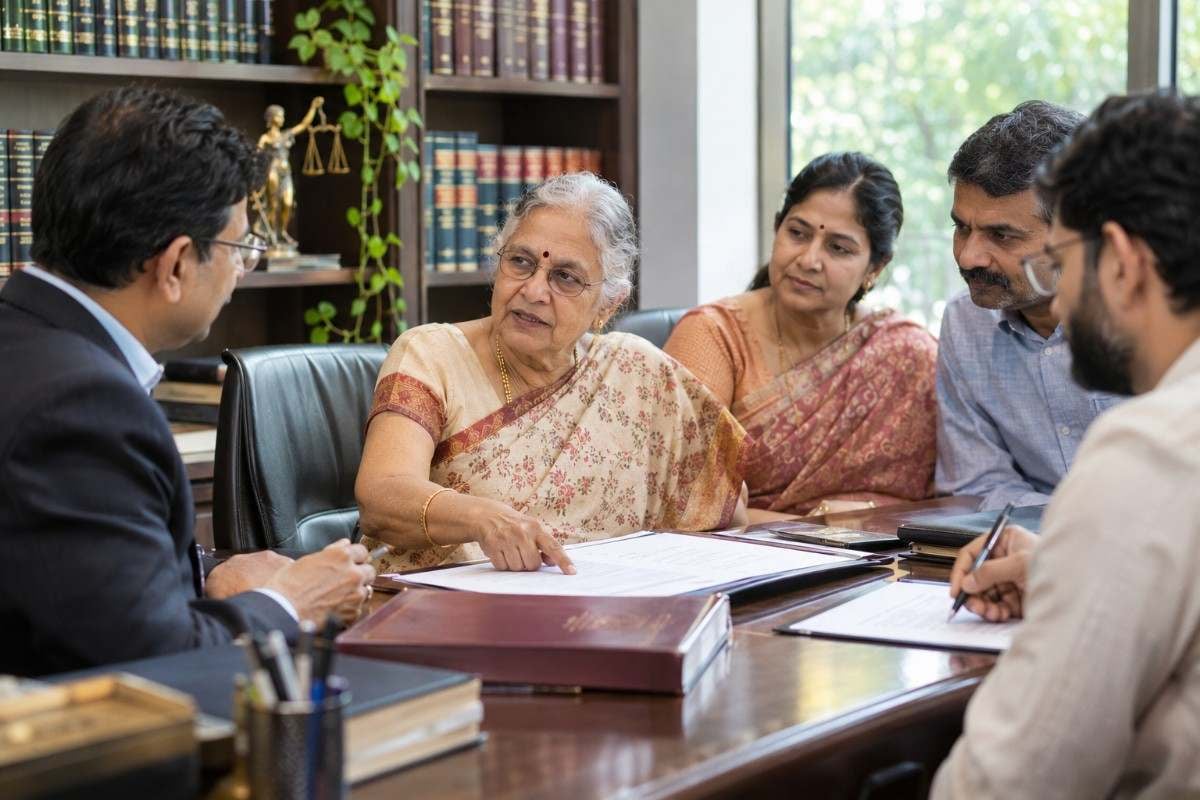
No. A diagnosis by itself doesn’t settle the question. Courts look at the person’s actual functioning around the time the Will was signed, not the label on a medical file or which stage they’re generally in. A note written months before or after signing carries less weight than an assessment done close to that date. Family members who were present, and who can describe what the testator said and understood at the time, often matter more than a diagnosis on its own.
What Role Do Lucid Intervals Play in Writing a Will?
Explanation 3 to Section 59 of the Indian Succession Act, 1925 specifically allows a person who is “ordinarily insane” to make a Will during an interval when they are of sound mind. The same principle is applied to dementia today: a person whose condition fluctuates can still sign a valid Will on a day when they genuinely understand what they’re doing.
This principle works in both ways. It means a diagnosis doesn’t automatically disqualify someone. It also means the family can’t simply assume every day was a good day. If a Will is later challenged, the question comes back to what the testator actually understood on that specific date, not on their condition generally.
How Do Courts Decide When a Will Is Challenged on These Grounds?
Whoever is relying on the Will, usually called the propounder, has to prove it was properly signed and witnessed under Section 63 of the Indian Succession Act, 1925. What else they need to show depends on how the Will looks:
No unusual circumstances: proving the signature and witnesses is typically enough.
Suspicious circumstances: such as one beneficiary playing a large role in preparing the Will, or the Will leaving out someone who’d normally expect to inherit: the propounder must also explain that circumstance to the court’s satisfaction.
This is often called the “suspicious circumstances” rule, set out by the Supreme Court in H. Venkatachala Iyengar v. B. N. Thimmajamma (1959). The standard used is the ordinary civil one, what’s more likely than not, not the stricter standard used in criminal cases.
What Can Families Do to Protect a Will Made Later in Life?
A few practical steps make a real difference if a Will is ever questioned later:
Get a medical assessment close to the date of signing, confirming the person understood what they were doing. This is one of the strongest pieces of evidence available.
Use independent witnesses who aren’t beneficiaries, and who can describe what the testator said and understood at the time, rather than relying only on family members present.
Register the Will, with AasaanWill guiding the drafting and registration so the document itself is clear and properly executed. Registration confirms the document was signed as stated, though it doesn’t by itself prove the testator’s state of mind.
None of these steps are about anticipating a dispute. They’re about making sure a genuine decision, made while the person understood it, is easy to recognise as one later.
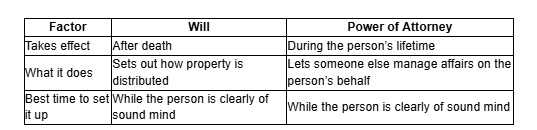
Families also sometimes ask whether a Will or a Power of Attorney fits better at this
How AasaanWill Helps
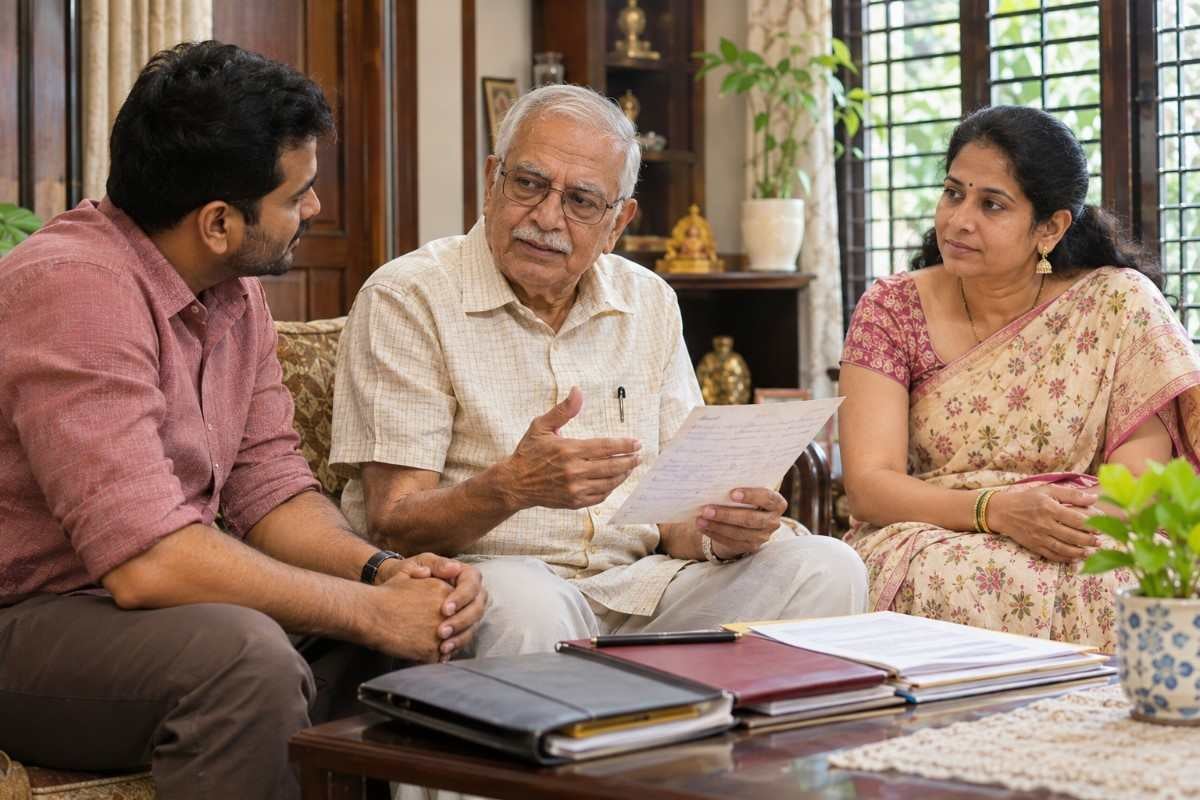
Working out whether now is the right time to make or update a Will, and what evidence to keep alongside it, is easier with someone to walk a family through it. Our team assists with:
Drafting and registering a Will in clear, plain language that reflects what the testator actually wants
Advising on practical safeguards, such as independent witnesses and timing a Will around a period of clarity
Guiding families through a Power of Attorney where that fits the situation better than a fresh Will
Explaining why Wills get challenged in the first place, so families know what to avoid
Conclusion
A dementia diagnosis doesn’t settle whether someone can make a valid Will. The law asks a narrower question: did they understand what they were doing when they signed it. Courts look at the person’s actual understanding at that moment and expect stronger evidence where a Will looks unusual. If your family is weighing whether to make or update a Will at this stage, AasaanWill can help you think through the timing and the paperwork alongside it.
Frequently Asked Questions
1. What is testamentary capacity?
Testamentary capacity is the legal standard for whether a person is allowed to make a valid Will. Under Section 59 of the Indian Succession Act, 1925, it means being of sound mind and understanding what signing a Will involves.
2. Does a dementia diagnosis mean a person cannot make a Will?
Not on its own. Dementia affects people differently, and courts look at the person’s actual understanding around the time of signing, not just the diagnosis itself.
3. What test do courts use to decide if someone had the capacity to make a Will?
Broadly, whether the person understood they were making a Will, had a general sense of what they owned, and could weigh who would ordinarily expect to inherit from them.
4. Can a person with early-stage dementia make a valid Will?
Often, yes. Early-stage dementia doesn’t necessarily affect the understanding the law requires. What matters is their actual state of mind on the day they signed, which a timely medical assessment can help confirm.
5. What is a lucid interval, and how does it apply to Wills?
A lucid interval is a period when someone with a fluctuating condition is genuinely of sound mind. Indian law allows a Will signed during such a period to be valid, even if the person’s condition varies on other days.
6. Who has to prove that a Will was validly made if it’s challenged?
The person relying on the Will, usually called the propounder, has to prove it was properly signed and witnessed, and must explain any unusual circumstances to the court’s satisfaction.
7. What are “suspicious circumstances” in a Will dispute?
Features that make a Will look unusual, such as a beneficiary playing a large role in preparing it or an expected heir being left out without explanation. Courts expect stronger evidence of capacity where these are present.
8. Does a doctor’s certificate make a Will challenge-proof?
No single document guarantees that. A medical assessment close to the signing date is strong supporting evidence, but courts still weigh it alongside witness accounts and the circumstances of the Will as a whole.
9. Can family members witness a Will made by someone with memory problems?
They can, but independent witnesses who aren’t beneficiaries carry more weight if the Will is ever questioned, since their account isn’t affected by a personal stake in the outcome.
10. Does registering a Will help if capacity is later questioned?
Registration confirms the document was signed as it states and adds a layer of authenticity, though it doesn’t by itself prove the testator’s state of mind at the time.
11. What happens if a Will made during dementia is successfully challenged?
The Will, or the disputed part of it, is treated as invalid, and the estate is distributed either under an earlier valid Will or under the intestate succession rules that would otherwise apply.
12. Can a person with dementia still update an existing Will?
Yes, if they’re of sound mind when they do it. The same test applies to updating a Will as to making a new one, regardless of a diagnosis.
13. Is a Power of Attorney a better option than a Will for someone losing capacity?
They do different jobs. A Power of Attorney lets someone else manage affairs during the person’s lifetime, while a Will takes effect after death. Many families end up needing both, set up while capacity is clear.
14. What evidence best supports a Will made later in life?
A medical assessment close to the signing date, independent witnesses who can describe what the testator understood, and a clearly drafted, properly registered document all help.
15. Can AasaanWill help a family in this kind of situation?
Yes. AasaanWill can help draft and register a Will clearly, and guide families on practical safeguards like timing and witnesses, though a doctor’s opinion on capacity itself should come from a qualified medical professional.
Disclaimer:
This article is for general informational purposes only and does not constitute legal advice. The information presented reflects the law as of the date of publication. For advice on your specific situation, please consult a qualified advocate.
If your family is weighing whether to make or update a Will at this stage, talk it through with AasaanWill. Get started with AasaanWill today.
Get in touch with us
Not sure about anything? We are just one phone call away. Book a free 15 minute consultation.

+91-8764447848
+91-8919084868

+91-8764447848
+91-8919084868
AasaanWill’s Privacy Commitment to you
We never use your data without your consent, or sell it to a third party.