
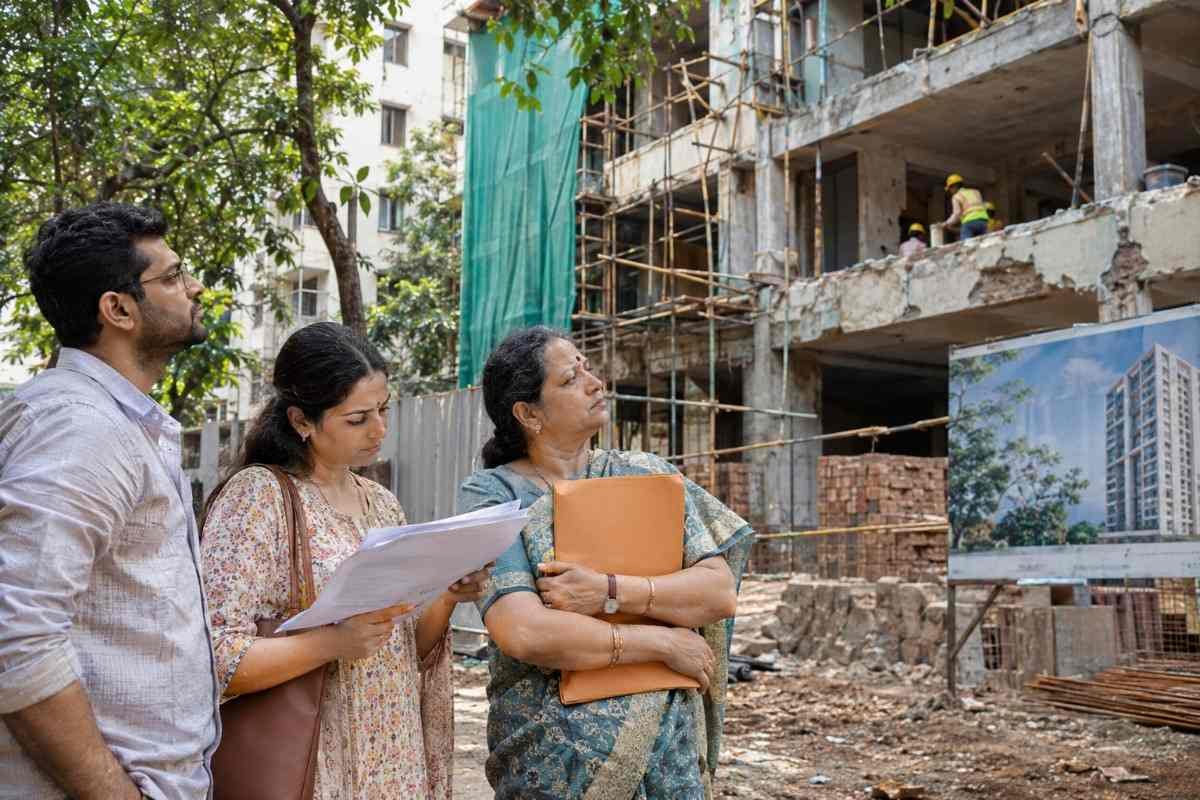
What Happens If a Property Owner Dies During Redevelopment? Understanding the Family's Inheritance Rights
Property redevelopment can be a long process, often taking several years from the signing of agreements to the handover of a new flat.
But what happens if a property owner passes away before redevelopment is completed?
Who receives the new flat? What happens to the temporary accommodation rent or corpus amount promised by the developer? Can the nominee claim everything, or do other legal heirs have rights?
These are important questions for families, particularly when the property forms a significant part of the deceased person's estate.
What Happens to the Property Owner's Rights After Death?
When a property owner passes away during redevelopment, their rights and interests in the property do not ordinarily disappear.
Depending on the ownership documents, redevelopment agreement, applicable succession laws and any valid Will, those rights may pass to the persons legally entitled to inherit them.
This may include rights relating to:
The replacement flat promised under the redevelopment arrangement.
Temporary accommodation rent or compensation payable during construction.
Any corpus amount or other financial benefits agreed upon with the developer.
The exact entitlements depend on the terms of the relevant agreements and the deceased owner's legal interest in the property.
Who Can Claim the New Flat?
The right to inherit the redeveloped property generally depends on whether the deceased owner left a valid Will.
If there is a Will: The property owner's interest may pass to the beneficiaries identified in the Will, subject to applicable law and completion of any necessary formalities.
If there is no Will: The property owner's interest generally passes according to the succession laws applicable to the deceased.
Where multiple family members are entitled to inherit, they may need to coordinate with the housing society or developer to complete the relevant documentation.
Does a Nominee Automatically Become the Owner?
Not necessarily.
Many property owners nominate a spouse, child or another family member in their housing society records. However, nomination and inheritance are not always the same.
A nominee may be recognised by the housing society for certain administrative purposes, but nomination alone does not necessarily override the inheritance rights of legal heirs or beneficiaries under a valid Will.
The final entitlement to the property depends on applicable succession law and the relevant circumstances.
This is why families should not assume that the person named as nominee will automatically become the sole owner of the redeveloped flat.
What Happens to the Monthly Rent and Corpus Amount?

Redevelopment arrangements may provide financial benefits such as temporary accommodation rent, shifting expenses or a corpus payment.
If the property owner passes away before receiving these amounts, the family's entitlement generally needs to be determined by considering the redevelopment agreement, the deceased owner's rights and applicable succession law.
Families should review the relevant agreements to understand:
What amounts are payable and when.
Whether any payments remain outstanding.
Who is legally entitled to receive the amounts.
What documentation the society or developer may require.
The terms may differ from one redevelopment project to another.
What Should Family Members Do After the Owner's Death?
If a property owner passes away during redevelopment, family members should consider taking the following steps:
Review the property documents: Collect the ownership records, society documents and redevelopment agreements.
Check whether a Will exists: A valid Will may help clarify the deceased owner's intentions regarding the property.
Identify the legal heirs: Understand who may have inheritance rights under the applicable succession law.
Inform the housing society or developer: Notify the relevant parties about the owner's demise and ask about their documentation requirements.
Seek appropriate legal guidance: Depending on the circumstances, further documentation or legal formalities may be necessary before the property or related benefits can be transferred.
Why Is Having a Will Important During Redevelopment?
Redevelopment can make property succession more complicated because the original flat may have been vacated or demolished while the replacement flat is still under construction.
Without a Will, family members may need to determine their respective inheritance rights under applicable succession law.
A properly drafted Will can help clarify:
Who should inherit the owner's interest in the redeveloped property.
Who should receive associated financial benefits forming part of the estate.
How the owner's interest should be distributed among beneficiaries.
Who should administer the estate and coordinate the necessary formalities.
Although a Will does not eliminate every legal formality or potential dispute, it can provide valuable clarity regarding the property owner's intentions.
How AasaanWill Can Help
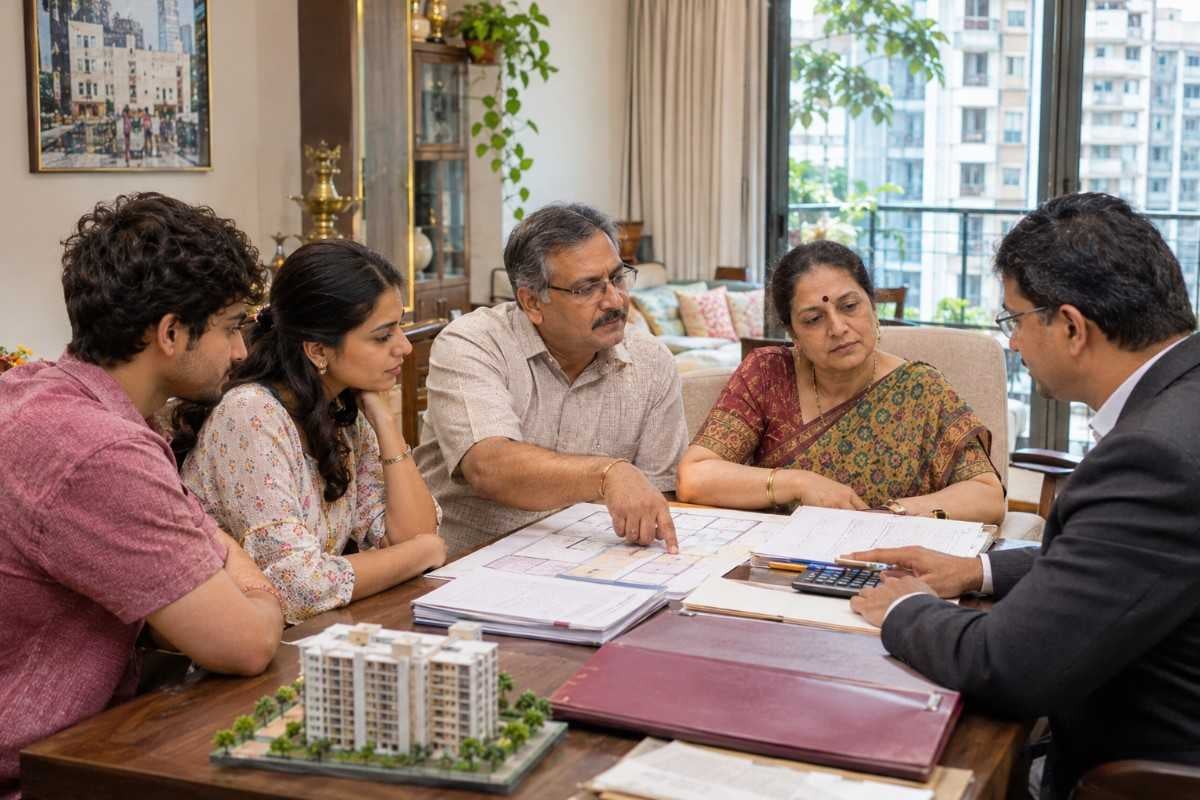
At AasaanWill, we believe estate planning should account not only for the assets you own today but also for rights and benefits that may arise in the future.
Whether your property is undergoing redevelopment or you are planning how your assets should pass to your loved ones, having a properly drafted Will can help protect your intentions.
AasaanWill assists individuals and families with Will drafting, estate planning and succession-related documentation.
Planning for your family's future? Connect with AasaanWill to understand how a Will can help bring clarity to your estate planning.
Frequently Asked Questions
1. What happens if a flat owner dies during redevelopment?
The deceased owner's rights under the redevelopment arrangement generally form part of their estate and may pass to the legally entitled beneficiaries or heirs, subject to applicable laws and agreements.
2. Can the nominee claim the redeveloped flat?
A nominee may have certain administrative rights, but nomination alone does not necessarily establish exclusive ownership. Inheritance rights must be determined under applicable law.
3. Who receives the rent paid by the developer after the owner's death?
Entitlement depends on the redevelopment agreement, the nature of the payment and the deceased owner's succession arrangements.
4. Can multiple legal heirs inherit a redeveloped flat?
Yes. Depending on the applicable succession law or a valid Will, multiple beneficiaries or legal heirs may inherit interests in the property.
5. Is a Will useful if my property is undergoing redevelopment?
Yes. A properly drafted Will can clarify who should inherit your interest in the property, including rights connected with redevelopment.
6. Does a Will need to mention the redeveloped flat specifically?
Not necessarily. However, clearly identifying the property and addressing its redevelopment-related rights can help reduce ambiguity.
7. Can AasaanWill help with estate planning for a property under redevelopment?
Yes. AasaanWill can assist with Will drafting and succession planning to help document your intentions regarding the property and associated financial entitlements.
Disclaimer:
This article is for general informational purposes only and does not constitute legal advice. The information presented reflects the law as of the date of publication. For advice on your specific situation, please consult a qualified advocate.
Make sure your family’s claim to a redeveloped flat is clear before anyone has to prove it to a society or a court. Get started with AasaanWill today.
Get in touch with us
Not sure about anything? We are just one phone call away. Book a free 15 minute consultation.

+91-8764447848
+91-8919084868

+91-8764447848
+91-8919084868
AasaanWill’s Privacy Commitment to you
We never use your data without your consent, or sell it to a third party.