

NRI Estate Planning Checklist 2026: 8 Tasks to Finish This Diwali in India
An NRI lands in Mumbai a week before Diwali, suitcase full of gifts, calendar full of family visits. Somewhere between the sweets and the puja, there’s a quieter task that keeps getting pushed to “next trip”: the Will that’s never been signed, the bank nominee that still lists a grandparent who passed away years ago, the property papers nobody has actually looked at since the purchase.
Dhanteras falls on 6 November 2026 and Diwali on 8 November, which makes this one of the few windows each year when NRI families are actually together and physically in India, with access to the banks, registrars, and relatives that most of these tasks need in person. AasaanWill helps NRI families put a clear NRI Will in place for their Indian assets, and this checklist covers the other seven tasks worth finishing alongside it before the flight back.
Key Highlights
Sign and register a Will that specifically covers your Indian assets, since a Will made abroad doesn’t automatically extend to property and accounts in India.
A Power of Attorney signed outside India needs consular attestation or an apostille, and then stamping in India within three months of the document reaching the country.
Nominees on bank accounts, demat holdings, and insurance policies lapse out of date quietly. A visit home is the easiest time to check and correct them in person.
NRIs can continue to hold agricultural land they’ve inherited, but generally cannot buy new agricultural land in India under FEMA rules.
A single, shared asset inventory, not scattered across emails and old folders, is often more useful to your family than any one document on its own.
None of this needs to happen in a single afternoon. Spreading the eight tasks below across a short visit is realistic and still gets most of the work done.
Put Your Will in Order
Start here, because every other task on this list assumes your Will actually says what you want it to.
If you already have a Will written abroad, check whether it specifically names your Indian assets, bank accounts, property, and investments, since a foreign Will drafted for your other country’s laws can leave Indian assets in an awkward position. Many NRIs choose to execute a separate Will for their Indian assets alongside their foreign one, each governed by the relevant jurisdiction.
Registering a Will is optional under Indian law, never mandatory, but a registered Will is harder for anyone to later dispute and is kept safe at the Sub-Registrar’s office rather than in a drawer somewhere. A platform like AasaanWill’s NRI Will service can help you draft and arrange registration for an NRI Will while you’re in the country to sign it in person.
Set Up or Review a Power of Attorney
A Power of Attorney lets someone you trust act on your behalf in India for banking, property, or legal matters when you’re back abroad, and it needs to be done correctly to actually work when it’s needed.
If you’re signing one outside India, it generally has to be executed before a Notary Public or an Indian Embassy or Consulate, and then carry an apostille or consular attestation depending on the country you’re in. Under Section 18 of the Indian Stamp Act, 1899, a document like this that’s executed outside India must then be stamped within three months of reaching the country, or it risks being impounded, penalised, or treated as inadmissible if you ever need to rely on it.
If you already have a Power of Attorney in place, a Diwali visit back home is a good moment to check that it still names the right person and still covers what you actually need. Circumstances change. The attorney you named five years ago may no longer be the right choice today.
Update Nominees Across Accounts and Policies
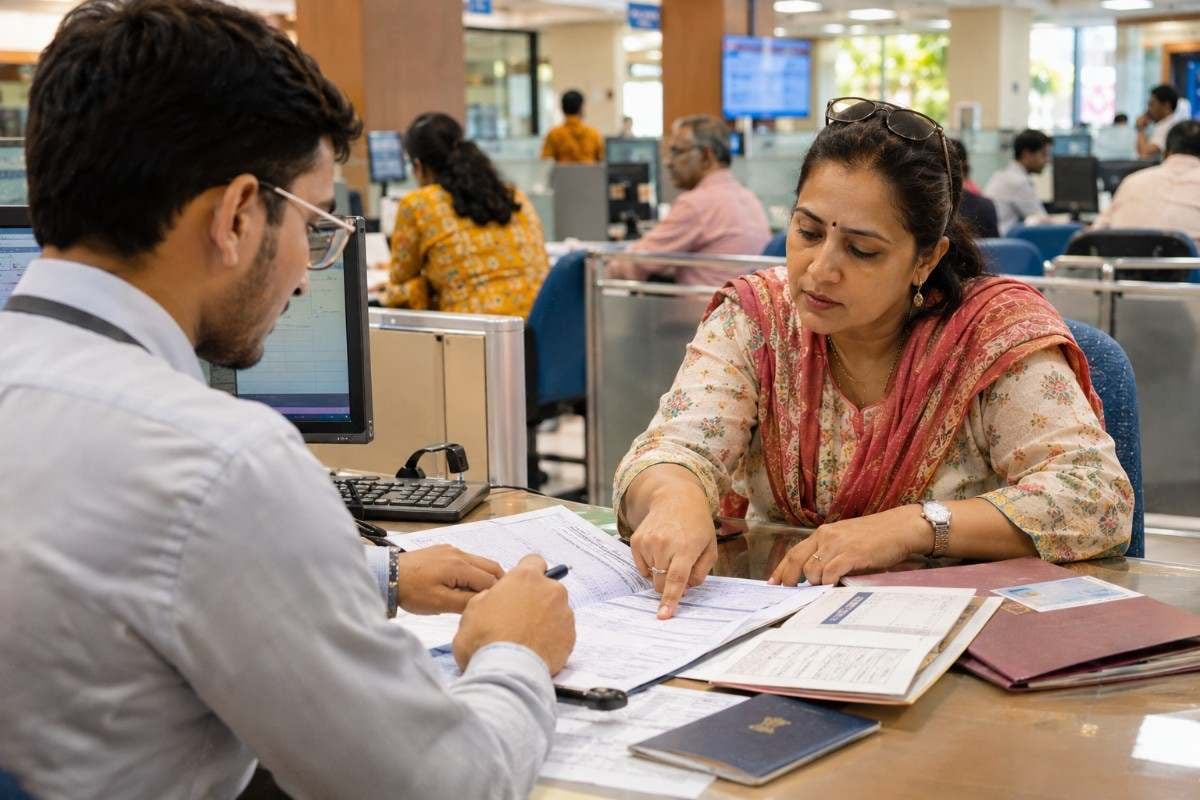
A nominee on a bank account, a demat account, or an insurance policy only receives the asset as a custodian for the legal heirs, but getting it wrong still causes real delays and disputes for the family left behind.
Nominee details go stale more often than people expect. A grandparent who has since passed away, an address that no longer matches your KYC records, a spouse’s name misspelled years ago and never corrected. Banks allow nominee changes through a simple form, usually requiring your physical presence or at least an in-person visit by someone authorised, which makes a trip home the practical time to sort this out across every account, demat holding, and insurance policy you hold in India.
Our guide on what happens to your bank accounts when you die explains why this single detail matters more than most families realise.
Organise Property Documents and Inherited Land
If you own property in India, Diwali is a good time to physically check that the paperwork matches reality, rather than simply assuming it does from abroad.
Pull out the sale deed, the mutation records, and the latest property tax receipt, and confirm the name on each actually matches the current owner. For property you’ve inherited rather than bought, check whether mutation (the update of revenue records to your name) has actually happened, since many families skip this step for years without realising it can complicate a future sale or transfer.
If any of what you’ve inherited includes agricultural land, there’s a specific rule worth knowing: NRIs can continue to hold agricultural land that comes to them through inheritance, but generally cannot buy new agricultural land in India under the Foreign Exchange Management Act’s rules for property acquisition. This distinction surprises a lot of families who assume all property rules are the same.
If you’re also planning to gift any of this property to family while you’re home, our guide on gift deeds in India covers exactly when that needs to be registered, and when a simple handover is enough.
Clear Up Dormant Accounts and KYC Gaps
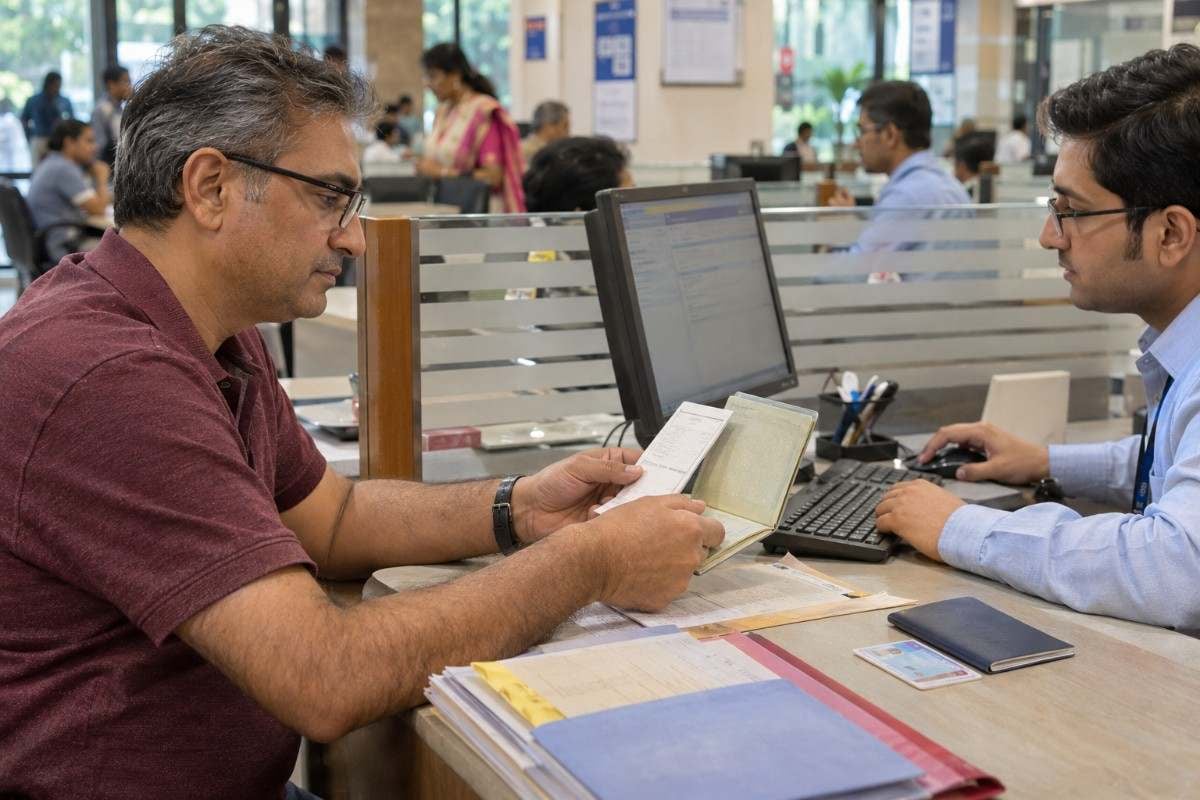
An old fixed deposit, a locker nobody has opened in years, a PAN or Aadhaar detail that no longer matches your current passport or address, each of these becomes a real obstacle later if left unresolved now.
Banks and depositories periodically flag accounts as dormant when there’s no activity for an extended period, and reactivating one from abroad is considerably harder than doing it in person. The same goes for updating your KYC details wherever they’ve drifted out of date, since an outdated PAN or address can hold up a transaction at exactly the moment your family needs it to go through quickly.
Build One Asset Inventory Your Family Can Actually Use
The single most useful thing you can leave behind isn’t a longer Will. It’s a clear, current list of what you actually have and where to find it.
A simple inventory covering your bank accounts, demat holdings, insurance policies, property, and any locker or digital assets, along with where the original documents are kept, saves your family from a scavenger hunt during an already difficult time. This doesn’t replace your Will. It makes your Will actually usable, because an executor can only act on assets they know exist.
How AasaanWill Helps
Getting the Will right is the foundation for everything else on this list, and it’s where most families benefit from some guidance rather than figuring it out alone. Our team assists with:
Drafting and arranging registration for an NRI Will that specifically covers your Indian assets.
Guiding you through Power of Attorney drafting, notarisation, and the stamping requirements that apply when you’ve signed one abroad.
Helping you understand what documentation banks and registrars will expect when you update nominees or sort out property records.
Helping you put together a clear, shareable asset inventory your family can actually use when it’s needed.
Conclusion
None of these eight tasks are complicated on their own, but they all share one thing: they’re easier to finish while you’re physically in India than from thousands of miles away. Use this Diwali and Dhanteras window to work through your Will, your Power of Attorney, your nominees, your property papers, and a simple asset inventory, even if you spread it across a few days rather than one sitting. AasaanWill can help you put the Will and the supporting paperwork together properly, so the next trip home doesn’t start with the same unfinished list.
Frequently Asked Questions
1. Why should NRIs do estate planning specifically during a visit to India?
Several of these tasks, like registering a Will or updating a bank nominee, genuinely need your physical presence or an in-person visit by someone you authorise. A trip home, especially around a festival when family is together, is simply the most practical window to get them all done.
2. Does a Will made abroad cover my property in India?
Not automatically. A Will drafted under your country of residence’s laws may not clearly address Indian assets, which is why many NRIs execute a separate Will specifically for property, accounts, and investments held in India.
3. Is registering a Will mandatory in India?
No. Registration is optional, not mandatory, under Indian law. A registered Will is simply harder to dispute later and is held safely at the Sub-Registrar’s office rather than depending on a family member to keep it safe.
4. How does an NRI execute a valid Power of Attorney from abroad?
It generally needs to be signed before a Notary Public or an Indian Embassy or Consulate, then carry an apostille or consular attestation, and finally be stamped in India within three months of arrival under the Indian Stamp Act, 1899.
5. What happens if a Power of Attorney isn’t stamped on time?
If a Power of Attorney is not stamped on time it can be impounded, attract a penalty, and become inadmissible as evidence if you ever need to rely on it in a property or legal matter, so this deadline is worth tracking carefully.
6. Can NRIs buy agricultural land in India?
Generally no, under the Foreign Exchange Management Act’s rules on property acquisition. However, NRIs can continue to hold agricultural land they’ve inherited, which is a common source of confusion.
7. Who actually receives money from a nominee on a bank account?
A nominee generally holds the funds as a custodian for the legal heirs rather than as the final owner, which is why nominee details and your Will should align rather than contradict each other.
8. Why does an outdated PAN or Aadhaar detail matter for estate planning?
A mismatch between your KYC records and your current documents can delay a transaction, a transfer, or a claim at exactly the moment your family needs it processed quickly, so correcting it in person is worth the trip.
9. What documents should be in an NRI’s Indian asset inventory?
Typically bank and demat account details, insurance policy numbers, property documents, locker information, and the location of original documents such as your Will, title deeds, and Power of Attorney.
10. Can a Power of Attorney be used for selling property in India?
Yes, a correctly executed and stamped Power of Attorney can authorise someone to sell property on your behalf, though many banks and registrars will also independently verify its validity before relying on it.
11. How often should an NRI review their Will and Power of Attorney?
After any major life change, such as a marriage, a new property purchase, or the death of a nominee or attorney named in the documents, and otherwise roughly every few years during a visit home.
12. Does mutation of property happen automatically after inheritance?
No. Mutation, the updating of revenue records to reflect the new owner, has to be applied for separately and doesn’t happen on its own just because a Will or succession process has concluded.
13. Can an NRI update bank nominees without visiting India in person?
Some banks allow it through net banking or a notarised form sent by post, but processes vary by bank, and doing it in person during a visit is usually simpler and faster.
14. What’s the difference between a nominee and a legal heir?
A nominee is the person a bank or insurer pays out to first, as a custodian, while a legal heir is who the law actually entitles to the asset. The two can be different people, which is why aligning them matters.
15. How can an NRI family get started on all of this without feeling overwhelmed?
Breaking it into a short list, like this one, and tackling one or two tasks per visit rather than all at once. A platform like AasaanWill can help you prioritise and put the Will and related documents together properly.
Disclaimer:
This article is for general informational purposes only and does not constitute legal advice. The information presented reflects the law as of the date of publication. For advice on your specific situation, please consult a qualified advocate.
If you’re an NRI planning your next trip home, get your Will and supporting paperwork in order before you land. Get started with AasaanWill today.
Get in touch with us
Not sure about anything? We are just one phone call away. Book a free 15 minute consultation.

+91-8764447848
+91-8919084868

+91-8764447848
+91-8919084868
AasaanWill’s Privacy Commitment to you
We never use your data without your consent, or sell it to a third party.